
Guide per menti curiose
Guide pratiche e dirette sulle penne 3D — per le famiglie che scelgono la prima penna, gli insegnanti che fanno lezione e i partner che inseriscono la categoria a catalogo.
Per i genitori
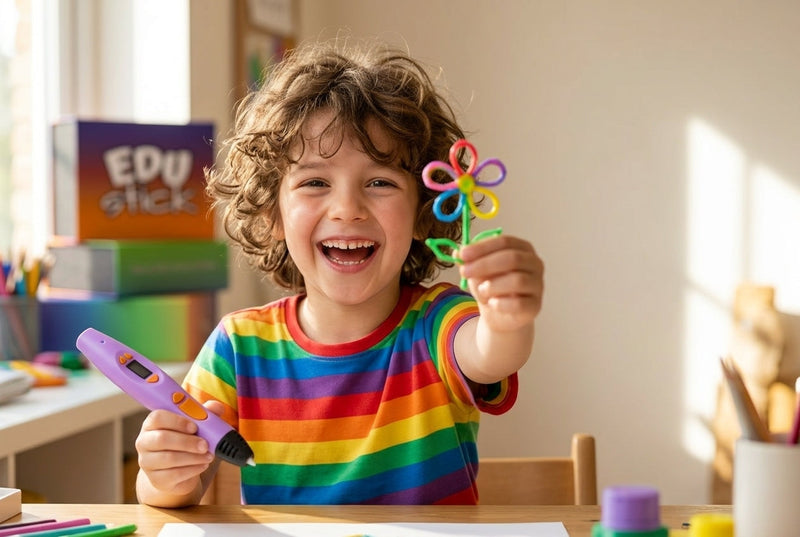
La migliore penna 3D per bambini: la checklist per l'acquisto 2026
Risposta breve: la migliore penna 3D per bambini è certificata secondo uno standard di sicurezza dei giocat...
Continua a leggere →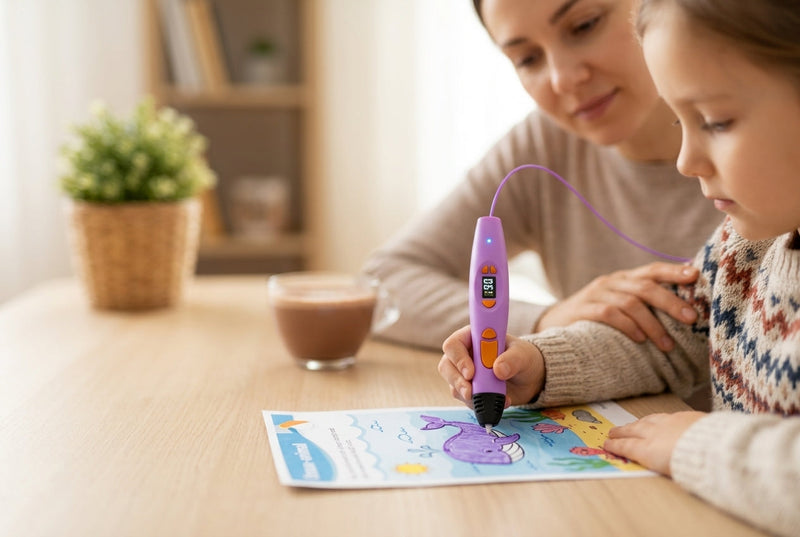
Una penna 3D è sicura per i bambini? La guida per i genitori
Risposta breve: una penna 3D è sicura per i bambini quando ha vere credenziali di sicurezza — una certifica...
Continua a leggere →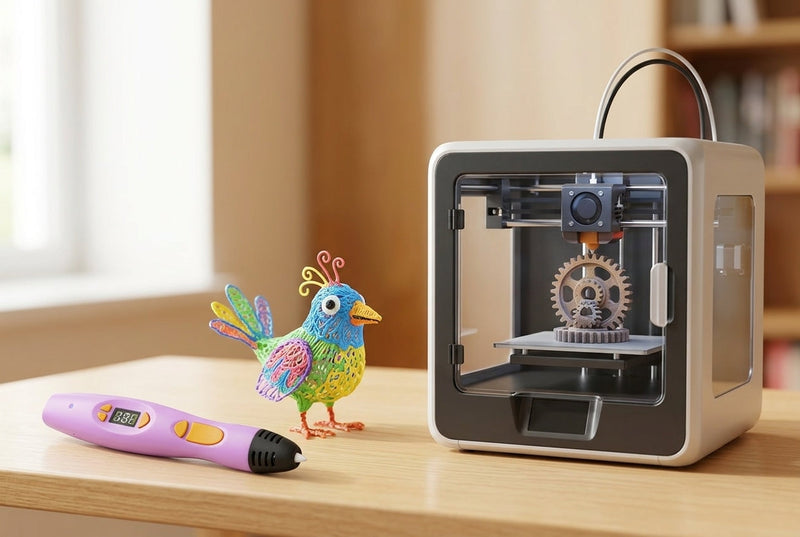
Penna 3D o stampante 3D: qual è quella giusta per tuo figlio?
Risposta breve: per la maggior parte dei bambini, una penna 3D è il punto di partenza migliore — è più econ...
Continua a leggere →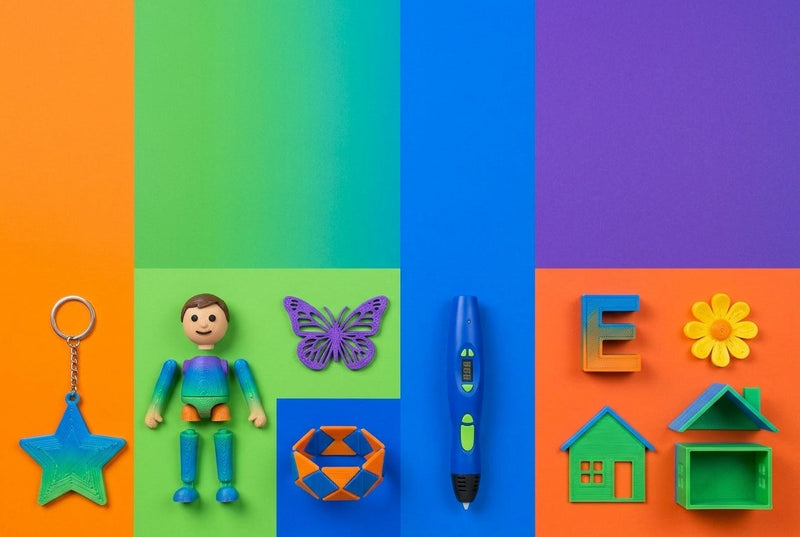
Cosa puoi creare con una penna 3D? Idee di progetto per principianti
Risposta breve: con una penna 3D puoi creare disegni piatti ricalcati, sculture 3D a mano libera e modelli ...
Continua a leggere →Per gli educatori
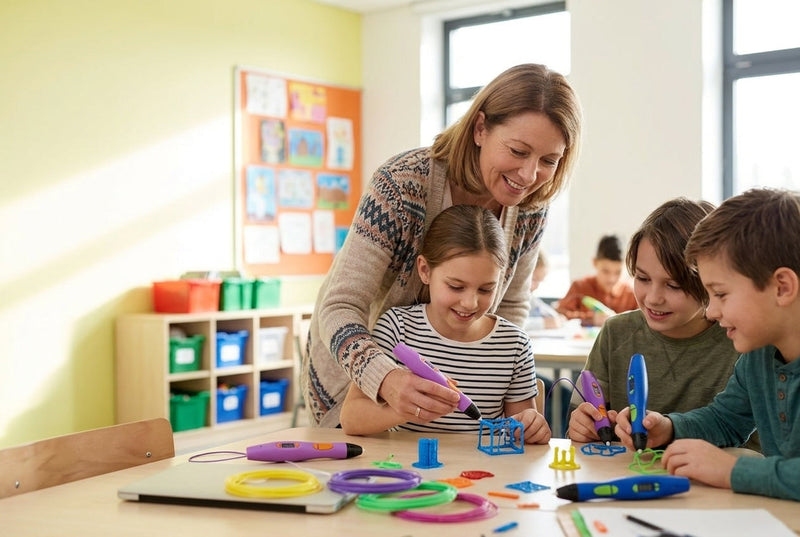
Come usare le penne 3D in classe: la guida per gli insegnanti
Risposta breve: le penne 3D portano la creazione pratica in classe senza il costo, il rumore e la configura...
Continua a leggere →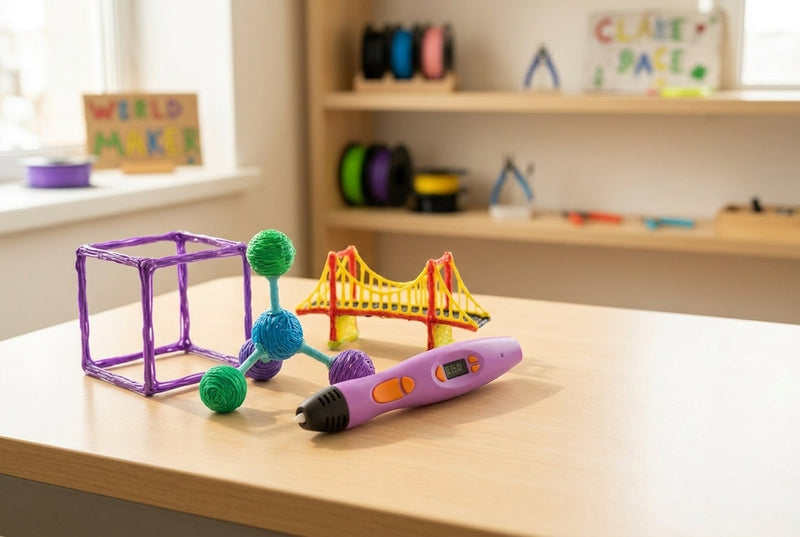
Attività STEAM e idee di lezione con la penna 3D per materia
Risposta breve: le penne 3D si adattano a tutto il curriculum STEAM — sviluppi geometrici in matematica, mo...
Continua a leggere →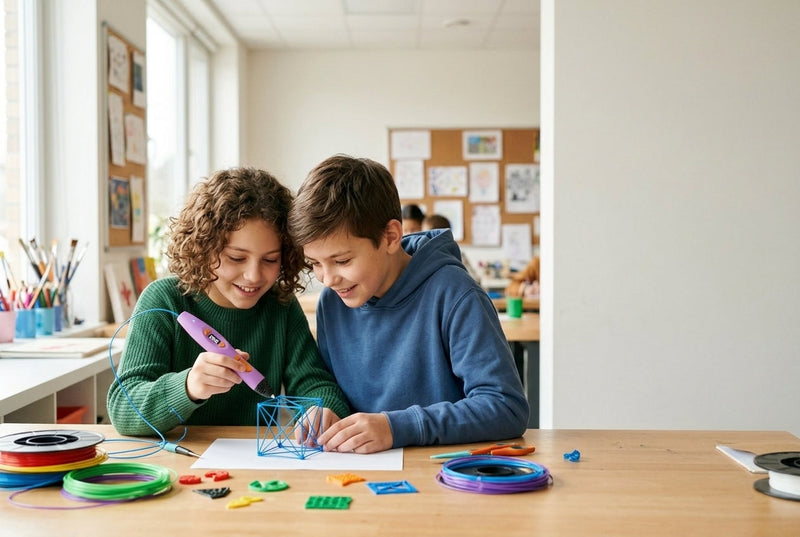
Quante penne 3D servono a una classe? Rapporti e budget
Risposta breve: la maggior parte delle classi funziona al meglio con una penna 3D ogni due studenti (1:2), ...
Continua a leggere →Per i partner
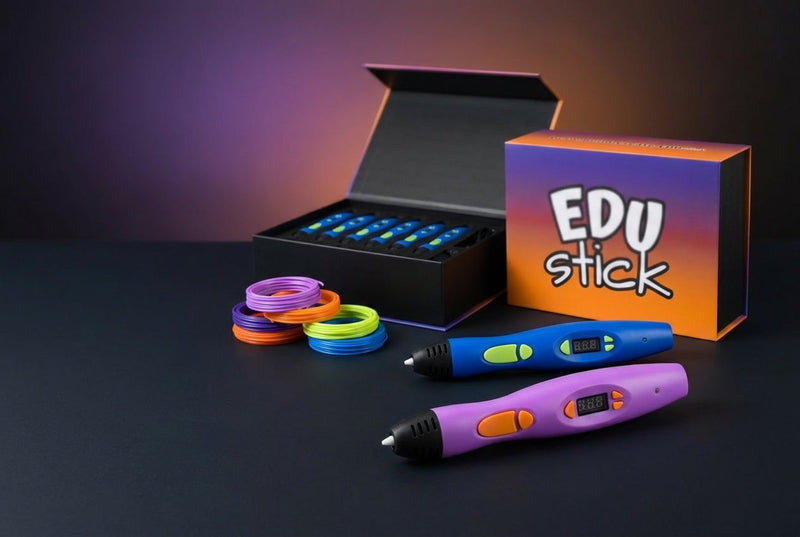
Come scegliere le penne 3D da rivendere o distribuire nell'UE
Risposta breve: quando scegli penne 3D da rivendere o distribuire nell'UE, dai la priorità a prodotti con v...
Continua a leggere →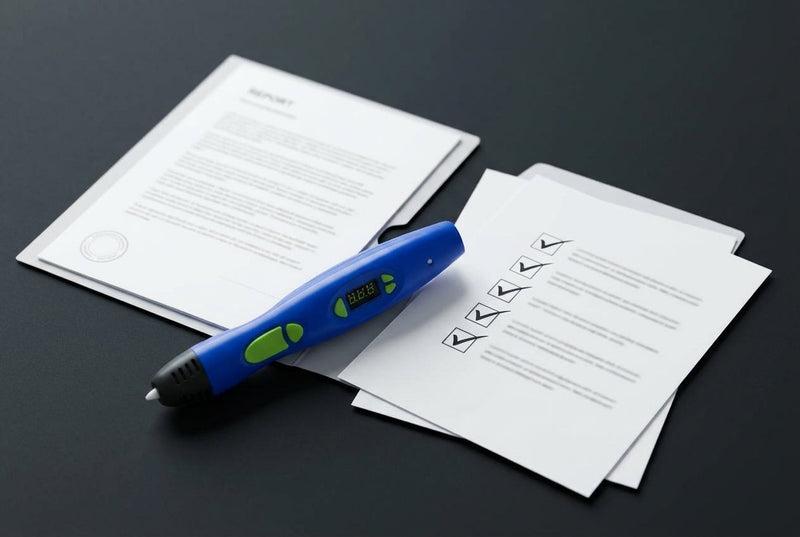
EN 71, CE e REACH: la checklist di conformità per vendere penne 3D ai bambini nell'UE
Risposta breve: per vendere una penna 3D per bambini nell'UE, deve soddisfare lo standard di sicurezza dei ...
Continua a leggere →